

At Achievement First Brooklyn High School, dance is more than an elective or after-school activity. It is a place where students build discipline, confidence, community, and a deeper connection to who they are.
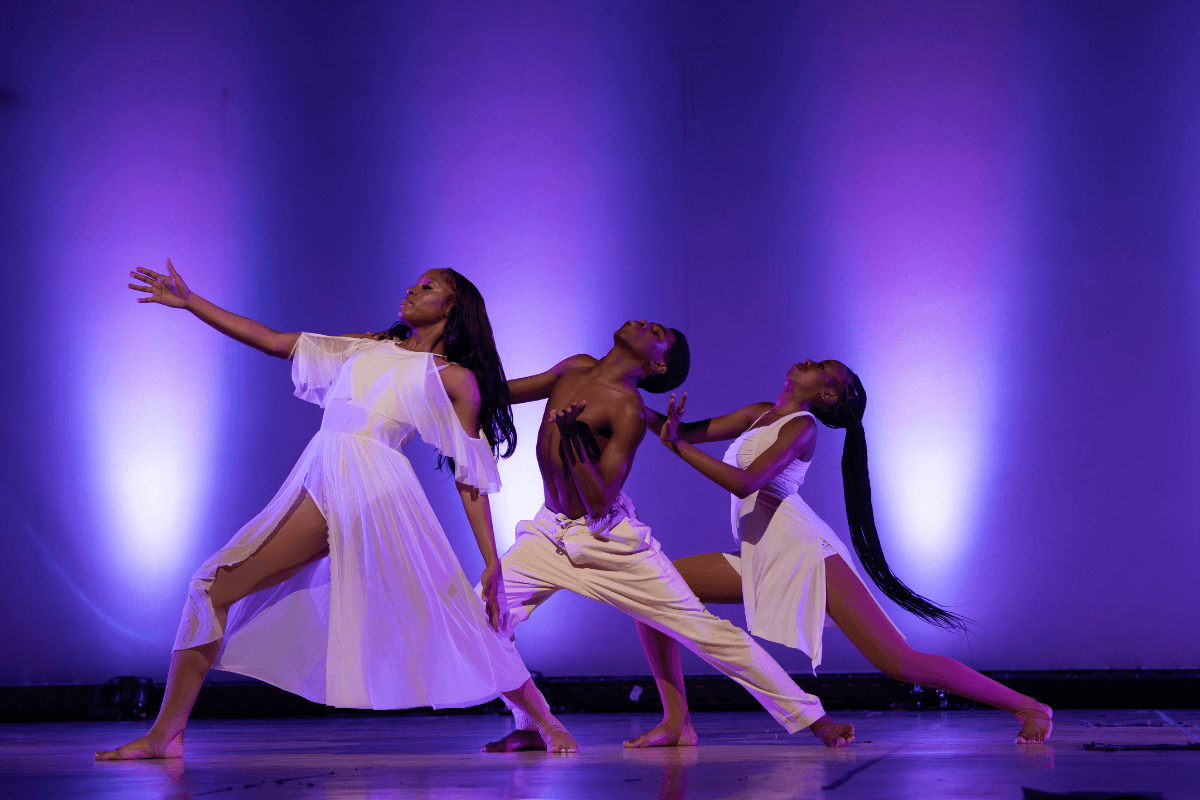
That was on full display during AFBHS’s fifth annual Junior Senior Dance Showcase, Roses in Bloom, held on May 28 and May 30. Across two performances, students, alumni, families, staff, and community members gathered to celebrate the growth of AFBHS’s dance program and the young artists who have helped shape it.
Photos by Rebecca Oviatt
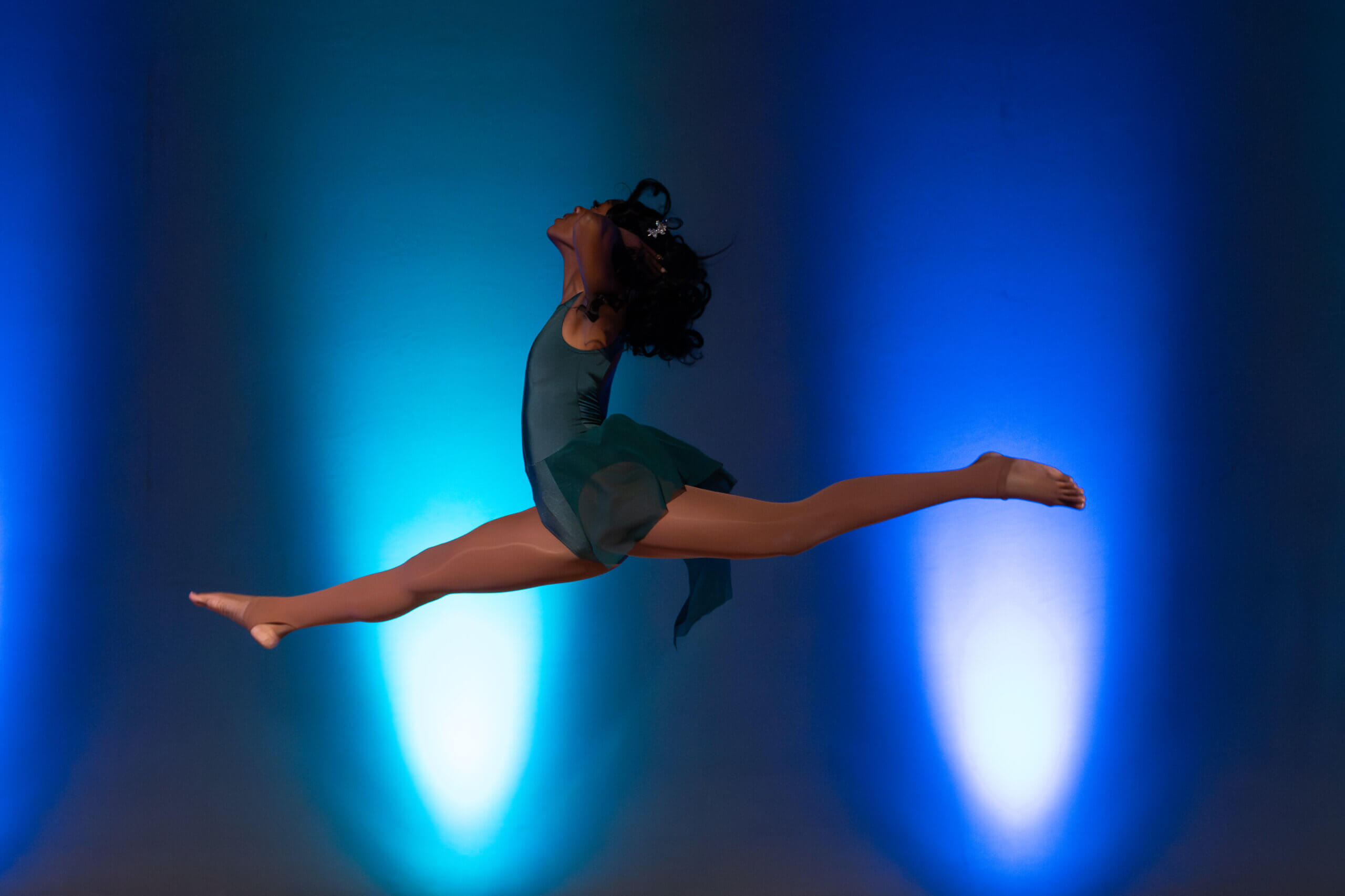
The showcase featured students from across the AFBHS dance program, including students in dance classes and the school’s two after-school dance companies: Soul Fusion Dance Company, led by dance instructor Shaahida Samuel, and Illuminations Dance Ensemble, led by co-teacher Zhada Myrick. The showcase also included alumni performers and guest groups from across Brooklyn, with performances spanning contemporary, jazz, modern, hip-hop, Caribbean dance, and student-choreographed work.
At AF Brooklyn High School, students can study dance during the school day through the AFBHS Dance Department. Students who want to go deeper can also join the after-school dance companies, where they rehearse, perform, and continue building their skills beyond the regular school day. The annual showcase brings those parts of the program together, and the Thursday and Saturday evening performances have become major community events, drawing a total of approximately 500 attendees each year.
For Shaahida Samuel, who has taught at AF Brooklyn High for five years, this year’s milestone was especially meaningful.
“I’m most proud of the growth and the retention,” Samuel said. “Being able to have alumni of the dance program come back and perform is amazing. Seeing the program grow from maybe five pieces on stage to having two showcases and over 500 people, that’s what I’m really proud of.”
Students in Soul Fusion Dance Company began preparing at the start of the school year, practicing multiple days a week after school while also taking part in performances, workshops, competitions, and community events throughout the year. The company has performed at colleges, local showcases, the Dance Parade, and internationally in Grenada.
For Samuel, part of the work is expanding what people imagine is possible inside a public charter school. AFBHS is not a performing arts school, but she believes the talent, resources, and commitment are all there.
“We have the resources and the student talent is amazing,” Samuel said. After Soul Fusion attended its first competition, she remembered thinking, “Nobody would have known you were a Brooklyn charter school. You look like a studio! And like professional dancers.”
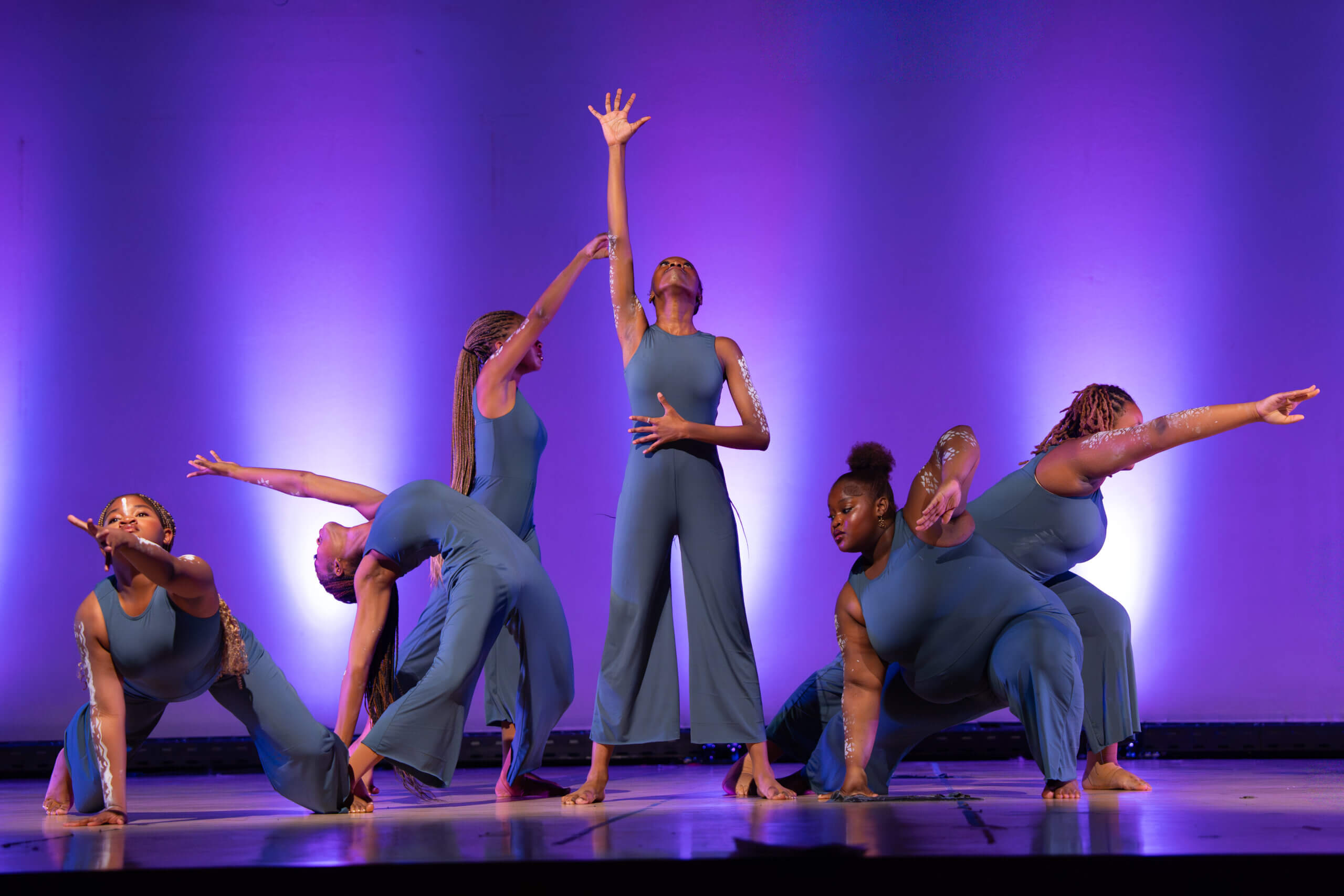
But Samuel is clear that the program’s impact extends far beyond the stage. Dance asks students to show up consistently, manage their time, accept feedback, support one another, and keep working when something is difficult. Those same habits matter in the classroom, where students are also expected to stay focused, prepared, and accountable.
“It’s definitely more than just dance,” she said. “It is the discipline. It’s the structure. It’s the community. It’s the organization. It’s the networking. It’s the mentoring between seniors and freshmen. It’s life skills.”
Myrick’s approach is the same. She added, “Through dance we provide students with the tools to advocate, use their resources, and apply skills learned in dance within the real world.”
Samuel has seen students grow not only as dancers, but as leaders and scholars. Some have earned scholarships to dance programs outside of school, while others have gone on to pursue dance in college or join collegiate dance teams.
Representation is also central to Samuel’s teaching. As a PhD candidate at Temple University studying dance, Samuel’s research focuses on preserving traditional Grenadian and ancestral dance forms. At AFBHS, she brings that lens into the classroom and onto the stage, ensuring students see their cultures and communities reflected in their dance education.
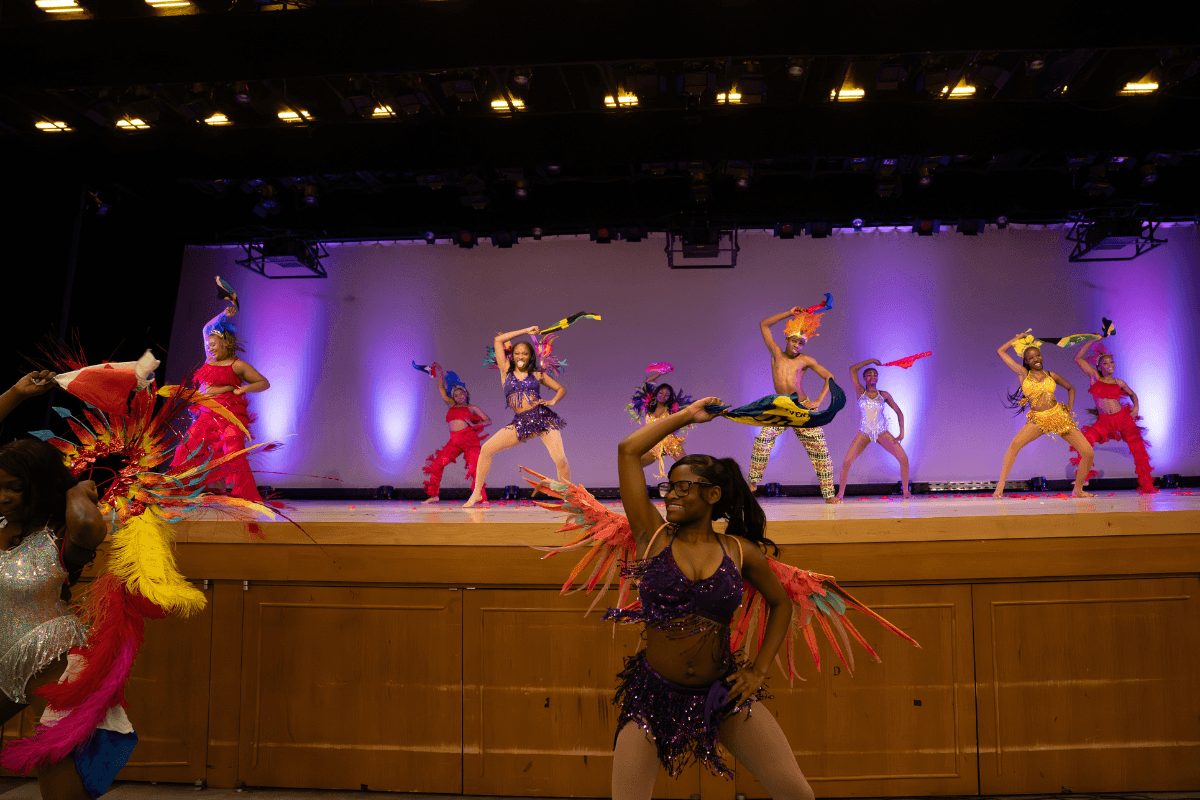
“We have a high demographic of students from the Caribbean and West Indies,” Samuel said. “So even if we’re doing a ballet unit, I’m going to play soca or dancehall. We’re still getting the technique, but students are also seeing their bodies and their cultures represented.”
That blend of technical training, cultural preservation, academic discipline, and student voice helped make Roses in Bloom a celebration of both artistry and identity.
As the program continues to grow, Samuel hopes audiences recognize the rigor behind the performances: the hours of practice, the athleticism, the vulnerability, and the commitment required to step on stage. “It may look seamless and vibrant,” she said, “but there is so much dedication that it takes to be on stage.”
At AFBHS, that dedication is helping students bloom as dancers, leaders, scholars, and young people discovering the power of their own voices.